Stand Mixer or Hand Mixer? How Much Mixer Your Baking Needs
Compare stand mixers and hand mixers by what you bake, how much counter space you have and how often you use them, so you only pay for the power you need.
Our pick Tilt-head 4.5 to 5-quart stand mixer
It handles cookie dough, cakes and most bread in one machine that fits under a cabinet.
We may earn a commission if you buy through links in this guide. How we make money
A hand mixer is enough for most cakes, whipped cream and soft cookie dough. A stand mixer earns its place when you knead bread, mix stiff dough in big batches, or want to walk away while it works. Your own baking habits decide which one you need.
Here is how the two compare, what to look for in each, and who should skip the stand mixer entirely.
Side by side
| Hand mixer | Stand mixer | |
|---|---|---|
| Cost | Low | Mid-range to premium |
| Storage | Fits in a drawer | Heavy, needs counter or a low shelf |
| Hands-free | No, you hold it | Yes |
| Bread dough | Poor, can strain the motor | Good, with a dough hook |
| Small batches | Easy | Can be awkward in a big bowl |
| Attachments | Beaters, whisk, sometimes a hook | Many optional add-ons, such as pasta and grinder heads |
Who should buy a hand mixer
If you bake a few times a month, mostly cakes, brownies, frosting and whipped cream, a hand mixer is the sensible choice. It is cheap, quick to clean and easy to store. Look for a motor with several speeds, a burst or turbo button, and beaters that detach with one click. A cord that stores inside the body keeps the drawer tidy.
- Basic hand mixer with five speeds. Good for batters and eggs.
- Hand mixer with a whisk and dough-hook set. Handles light dough, but not a stiff loaf for long.
- Cordless hand mixer. Convenient, though battery life can run short on thick mixtures.
Who should buy a stand mixer
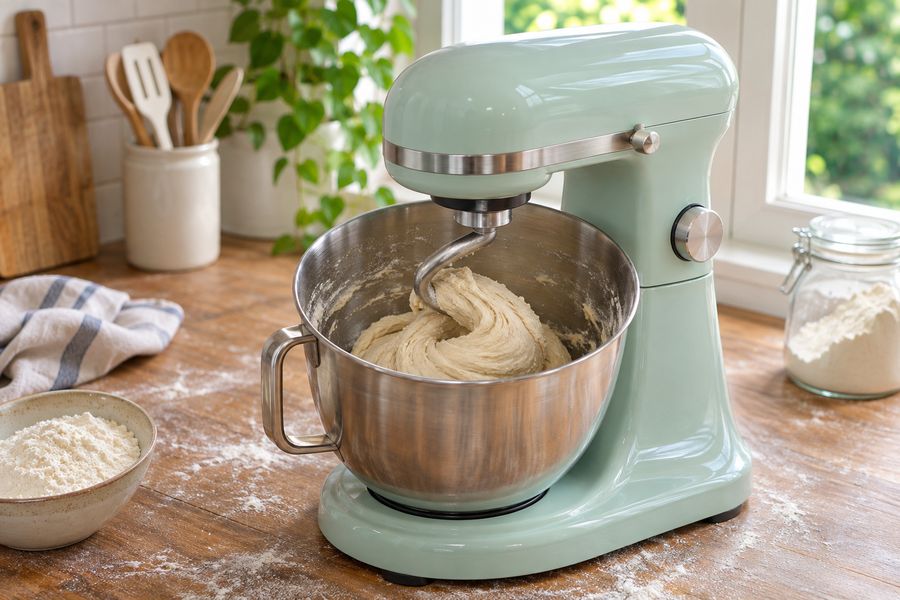
If you make bread, pizza dough, bagels or double batches of cookies, a stand mixer saves your wrists and your time. Kneading by hand takes ten minutes of effort, and a machine does it while you prep the next step. It also whips egg whites and cream for a long time without tiring.
Two shapes dominate. A tilt-head mixer lifts its head so you can reach the bowl, and it suits home kitchens. A bowl-lift mixer has a lever that raises the bowl, which makes it steadier with heavy dough and bigger quantities, but it is taller and costs more.
- Tilt-head, 4.5 to 5 quarts. The common home size and a good starting point.
- Bowl-lift, 6 quarts or more. For frequent bread bakers and large batches.
- Compact or mini stand mixer. Good for small kitchens and lighter recipes, but not for large bread loaves.
What to check before you buy
- Bowl size. Capacity is listed in quarts. A 5-quart bowl handles one standard loaf or a double batch of cookies, but not much more.
- Motor wattage and gearing. Wattage alone is a poor guide. Look at what dough the maker says it handles, such as a stated flour weight.
- Weight and stability. A heavier base stays put when kneading. A light mixer can walk across the counter.
- Attachments. A flat beater, whisk and dough hook should come in the box. Check whether they are dishwasher safe.
- Counter space. Measure the height with the head up, and the cabinet clearance above it.
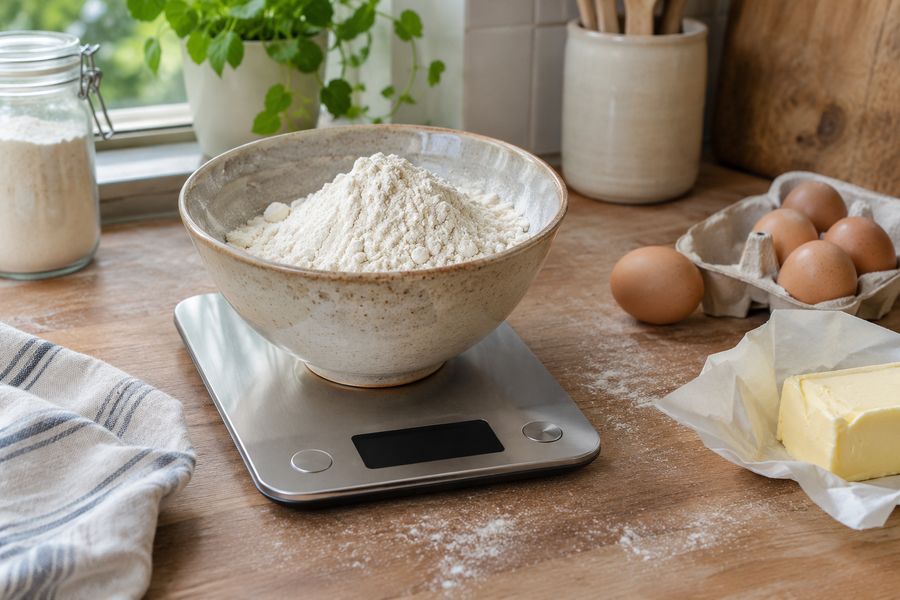
Accurate measuring helps either way, and a good kitchen scale is a cheaper upgrade than a bigger mixer.
Cleaning and upkeep
Hand mixer beaters go in the dishwasher or under the tap in a minute. A stand mixer bowl and most attachments clean up just as easily, but the base needs a wipe, and the head should never be submerged. Check whether the dough hook is coated, since some coatings are not dishwasher safe. A mixer you can clean quickly is a mixer you will actually use.
Quick answers
Can a hand mixer knead bread dough?
Only light, soft doughs, and only briefly. Stiff bread dough can overheat a hand mixer motor, so knead by hand or use a stand mixer.
Is a stand mixer worth the price if I bake rarely?
Usually not. If you bake a handful of times a year, a hand mixer does the work and leaves space on your counter.
Which size stand mixer is best?
A tilt-head of around 4.5 to 5 quarts suits most households. Go bigger only if you routinely make large batches or several loaves at once.
The bottom line
For occasional baking, buy a hand mixer and keep the savings. For regular bread, big batches or hands-free mixing, a 4.5 to 5-quart tilt-head stand mixer is the safe all-rounder. Decide by how often you bake and how much counter you can give up, not by how good the machine looks.