Chew Toys That Stand Up to Strong Chewers
How to choose chew toys for dogs that destroy everything, from tough rubber and nylon to knotted rope, plus the safety checks that matter most.
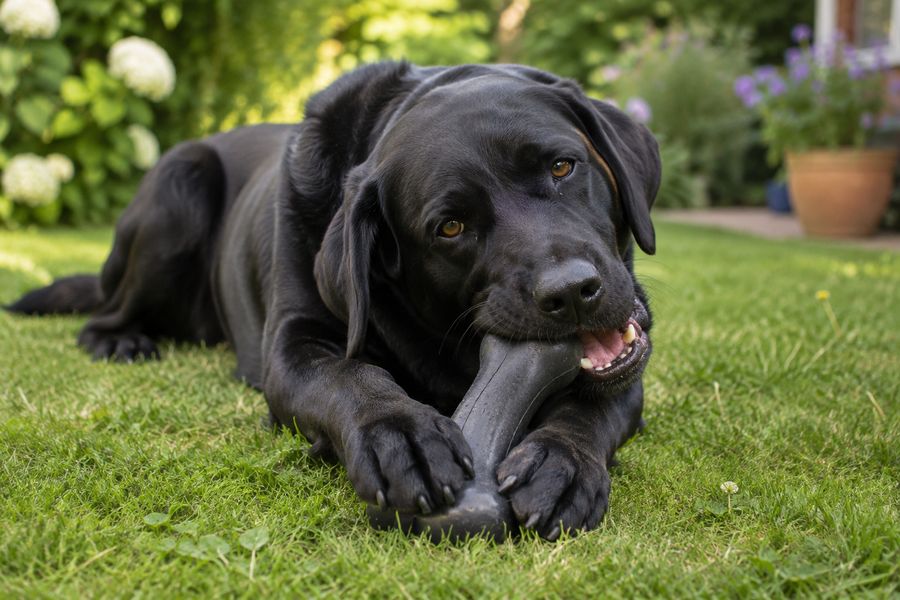
Our pick Solid, dense rubber chew toy sized up for your dog
Firm rubber with some give is easier on teeth than hard bones and survives longer than plush.
We may earn a commission if you buy through links in this guide. How we make money
Strong chewers go through plush toys in minutes and can crack teeth on the wrong hard object. The best chew toy is firm enough to last, soft enough to dent slightly under a thumbnail, and big enough that it cannot be swallowed.
Here is how the main materials compare, how to size a toy, and when to throw one out.
Materials compared
| Material | Durability | Watch out for |
|---|---|---|
| Dense natural or synthetic rubber | High | Hollow toys can trap a tongue or jaw if the opening is too small |
| Nylon | High | Very hard, and aggressive chewers can wear down or splinter it |
| Knotted rope | Medium | Loose strings can be swallowed, so toss it once it frays |
| Rubber with a treat cavity | High | Adds calories, so account for them in meals |
| Plush with reinforced seams | Low to medium | Stuffing and squeakers are choking hazards when torn out |
| Antlers and hard bones | Very hard | Can chip teeth, and many vets advise against them |
The thumbnail test
A common vet suggestion is to press your thumbnail into the toy. If it leaves a small dent, the toy has enough give. If it is as hard as a rock, it may be too hard for teeth. This is a rule of thumb, not a guarantee, so your own dog's habits matter.
Toy types worth considering
- Classic dense rubber chew ring or bone. Simple, long-lasting, and available in sizes by dog weight.
- Stuffable rubber toy. You pack in food, which keeps a dog busy and works well for crate time.
- Flexible nylon chew. Some are made to be gnawed slowly, with a flavored surface. Pick one labeled for power chewers.
- Thick rope tug with a few big knots. Better for tug games than solo chewing.
- Tough plush with an extra layer. Fine for supervised play with moderate chewers, not for demolition experts.
Size and safety
- Size up. The toy should be too big to fit fully inside the mouth or reach the back of the throat.
- Match the toy to the dog's weight. Manufacturers list weight ranges, so follow them.
- Supervise at first. Watch how your dog treats a new toy for several sessions.
- Inspect often. Throw out toys with cracks, chunks missing or loose threads.
- Rotate toys. Keeping two or three out at a time keeps them interesting.
- Remove it when it is small enough to swallow. A worn-down toy changes size.
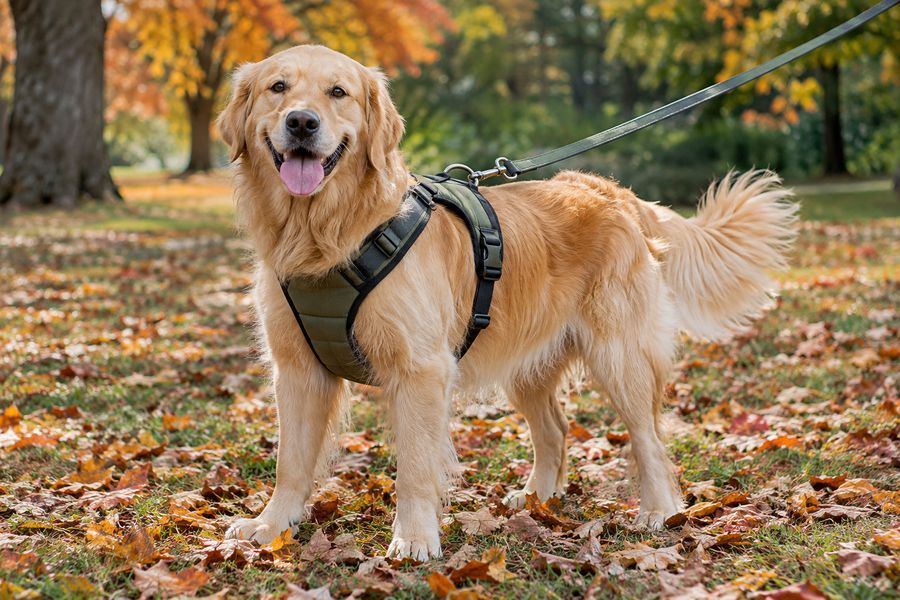
Chewing is often a sign of boredom, teething or excess energy. More exercise helps, and good walk gear makes outings easier, as in our guide on choosing between a harness and a collar.
Why dogs chew, and when to see a vet
Strong chewers are often young, high-energy dogs, or breeds bred to hold and carry things.
Chewing is normal. Puppies chew for teething relief, and adult dogs chew to relieve stress or boredom. Sudden, intense chewing, a dog that refuses toys, drools heavily, or has bleeding gums needs a vet's attention. A chipped tooth is painful, and a dog may not show it right away. If your dog swallows part of a toy, contact your vet promptly.
Making a toy last longer
Hand a toy over for supervised sessions of 10 to 20 minutes rather than leaving it out all day. Freezing a stuffed rubber toy makes it take longer to empty. Wash rubber toys in warm soapy water, since saliva and food residue build up. Keep a separate toy for tug games, so chew toys are not pulled apart by two sets of teeth.
Quick answers
Are rawhide and bones safe?
Opinions differ, and they can cause choking or blockages in some dogs. Ask your vet what suits your dog before offering them.
How long should a chew toy last?
That depends on your dog. A very strong chewer may go through even a tough toy in weeks. Replace it as soon as it is damaged.
Can puppies use the same toys?
Puppies need softer toys made for teething, since their teeth and jaws are still developing. Choose puppy-labeled products.
The bottom line
Pick a dense rubber toy with a little give, size it up, and check it often. Use stuffable toys for busy time and rope only for tug. Skip very hard bones and antlers unless your vet approves. A toy that is the right size and gets replaced on time matters more than the brand.