Litter Boxes Compared: Open, Covered and Self-Cleaning
Open, covered or self-cleaning: each litter box style has trade-offs for cats and owners. Compare size, smell control, upkeep and where each one fits best.
Our pick Large open or high-sided litter box, about 1.5 times your cat's length
Most cats like space and an easy exit, and a simple box is easy to scoop and keep clean.
We may earn a commission if you buy through links in this guide. How we make money
The best litter box is the one your cat will actually use. That tends to mean a roomy, clean one in a quiet spot. Owners often like covered or self-cleaning boxes more than cats do.
If you are not sure, start with a large open box with tall sides. It costs little, is easy to scoop and gives you a baseline. Move to a covered or automatic box only if odor or litter scatter becomes a problem.
Open, covered or self-cleaning
| Type | Pros | Cons | Suits |
|---|---|---|---|
| Open box | Cheap, roomy, easy to see and scoop | Odor and litter kicked out | Most cats, kittens, seniors |
| High-sided open box | Less litter scatter | Tall entry can be hard for older cats | Diggers, adult cats |
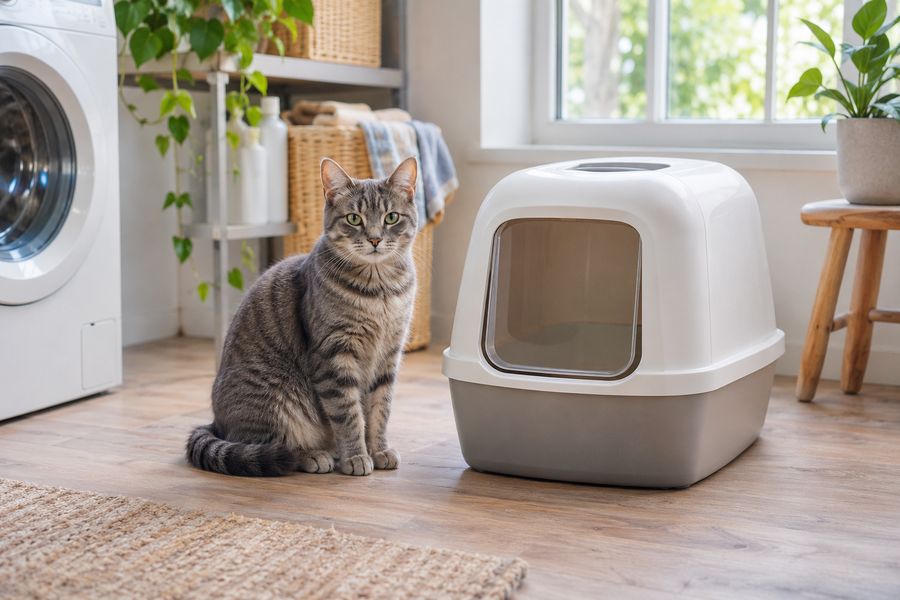
| Covered (hooded) box | Hides the mess, blocks the view | Traps smell inside, feels cramped to some cats | Shy cats, small spaces |
| Top-entry box | Keeps litter inside, dog-proof | Cats need to jump, not for seniors | Homes with dogs |
| Self-cleaning box | Less daily scooping | High cost, noise, parts to clean, some cats refuse it | Busy owners, multi-cat homes |
What cats generally want
- Space. A box roughly 1.5 times the length of your cat, nose to tail base, is the common rule of thumb.
- Cleanliness. Scoop at least once a day. Many cats avoid a dirty box.
- Quiet. A low-traffic corner, away from the washing machine and food bowls.
- Easy access. Seniors and kittens need a low entry.
A box that is too small is one of the most common reasons for accidents. Storage tubs make cheap extra-large boxes if you cut a low entry in one side.
Covered boxes: how to decide
A hood hides the mess from you. It also holds smells and makes the cat step into a small space, which some cats dislike. If you buy one, pick a roomy model and look for an easy-to-remove lid, since a lid that is hard to lift means the scooping gets skipped. Try removing the flap or door at first, so your cat is not startled.
Self-cleaning boxes: worth it?
These rake or rotate waste into a sealed compartment. They cut daily scooping, though you still empty the waste drawer and clean the base. Points to check:
- Size inside. Some are small for large breeds such as Maine Coons.
- Safety sensors that stop the cycle if a cat steps in.
- Noise level, which can scare shy cats.
- Replacement parts and the cost of special litter or liners.
Lines to compare include Litter-Robot, PetSafe ScoopFree and Petkit. Introduce it slowly: leave it off at first, and keep the old box available.
Getting the setup right
- Keep one box per cat, plus one extra.
- Place boxes on different floors if you can.
- Use unscented, clumping litter, as a starting point. Many cats dislike strong scents.
- Fill to about 2 to 3 inches deep.
- Wash the box with mild soap every few weeks. Avoid strong-smelling cleaners.
- Change litter types gradually, mixing the new into the old.
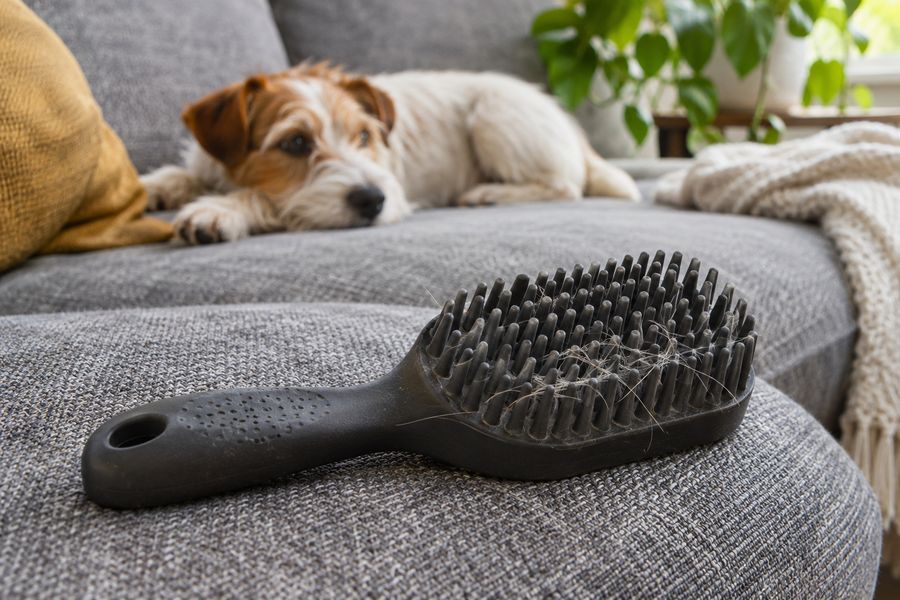
Cats and fur go together, and our guide on pet hair removal may help with the rest of the house.
Choosing by your cat and your home
Kittens and senior cats
Both need a low entry. A shallow tray or a box with a cut-down side makes it easy to step in. Arthritic cats may avoid a tall box, which can lead to accidents elsewhere.
Large cats
Big breeds need a bigger box than most store shelves offer. Under-bed storage tubs and extra-large jumbo pans are common solutions.
Multi-cat homes
Spread the boxes out. Two boxes side by side count as one in your cat's mind, so place them in different rooms or corners.
Small apartments
A covered or furniture-style box can hide in a corner, and a mat outside it catches stray litter. Give the cat an easy exit route so it does not feel cornered.
When you change anything, change it slowly. Cats notice new litter, new boxes and new locations, and a sudden swap can send them looking for a softer spot, like your laundry basket.
Quick answers
Why is my cat peeing outside the box?
It can be stress, a dirty box, or a health problem. A sudden change deserves a vet visit, since it can signal a urinary issue.
Is a hood better for smell?
Not by itself. Daily scooping matters more than the style of box.
How often should I replace the box?
When the plastic is scratched, stained or holds odor after washing, usually every year or two.
The bottom line
Start with a big, open box, scoop daily and put it somewhere quiet. Choose a covered box if you must hide it, and a self-cleaning one if you have the budget and a tolerant cat. Your cat's habits decide, not the box's features.