Body Lotions and Creams That Actually Help Dry Skin
Lotion, cream and ointment are not the same thing. Learn which ingredients help dry skin, how to apply them, and which textures suit which season.
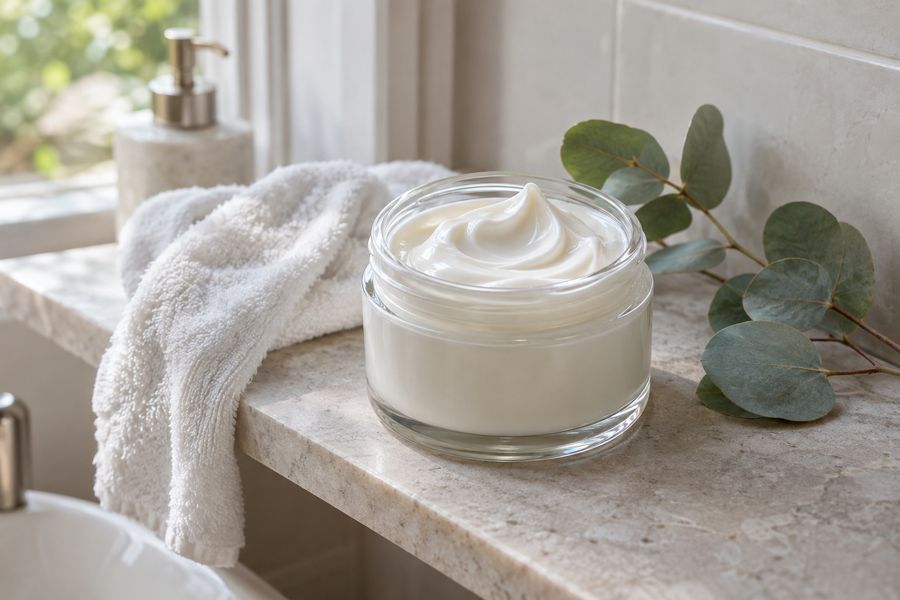
Our pick Fragrance-free ceramide body cream in a tub
A thick cream with ceramides and glycerin holds moisture longer than a thin pump lotion.
We may earn a commission if you buy through links in this guide. How we make money
If your skin feels tight after a shower, you probably need a thicker product, not just more of the same lotion. The texture matters more than the label, and the ingredients matter more than the price.
For most dry skin, pick a fragrance-free cream in a tub or a squeeze tube, and put it on within a few minutes of getting out of the shower while your skin is still slightly damp.
Lotion, cream or ointment
These words describe how much oil is in the mix.
- Lotion: More water, less oil. Light, spreads easily, comes in a pump. Fine for mild dryness or summer.
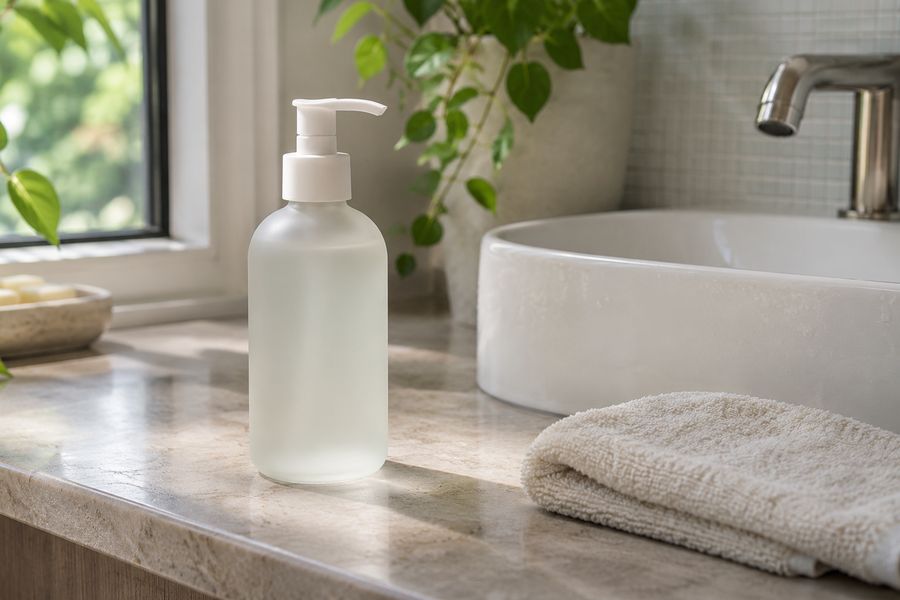
- Cream: Balanced water and oil. Thicker, usually in a tub or tube. The best everyday choice for dry skin.
- Ointment or balm: Mostly oil, very thick and greasy. Good for cracked heels, elbows and small rough patches.
A simple test: if you can pour it, it is likely a lotion. If you can scoop it with a finger and it holds its shape, it is a cream or balm.
Ingredients worth looking for
You do not need a long list. A few well-known categories do most of the work.
- Humectants such as glycerin and hyaluronic acid draw water into the skin's surface.
- Emollients such as shea butter and fatty alcohols soften and smooth.
- Occlusives such as petrolatum, dimethicone and some plant butters form a seal that slows water loss.
- Ceramides are fats found naturally in skin and appear in many barrier-focused creams.
- Urea in lower strengths helps soften rough, flaky skin. Stronger versions are meant for very thick, rough patches.
If you have eczema, a rash, or skin that stings or cracks, ask a dermatologist before experimenting. Some "natural" additives such as essential oils can irritate sensitive skin.
Picks by situation
| Need | Product type | Product lines to browse |
|---|---|---|
| Daily dryness, all over | Fragrance-free cream in a tub | CeraVe, Cetaphil, Eucerin |
| Rough elbows, heels, knees | Urea cream or balm | Eucerin Roughness Relief, O'Keeffe's Working Hands |
| Very dry or windy weather | Ointment or petrolatum-based balm | Vaseline, Aquaphor |
| Light summer feel | Pump lotion with glycerin | Aveeno, Vanicream |
See a few options here:
How to apply for best results
- Keep showers warm rather than hot. Hot water strips oils.
- Pat dry and leave the skin a little damp.
- Apply within about three minutes.
- Use more on the driest spots: shins, hands, feet.
- Repeat at night. A heavier layer before bed lets the product sit.
If you want the lip side covered too, our guide to lip balms and overnight masks goes through the winter basics.
Mistakes that keep skin dry
- Using only a pump lotion in deep winter.
- Skipping the application right after bathing.
- Choosing a strongly scented product, then reacting to the perfume.
- Forgetting that indoor heating pulls moisture from the air. A humidifier may help, and our post on humidifiers for dry winter air explains the sizes.
Matching texture to season and place
One product rarely covers the whole year. Many people keep two.
- Winter and indoor heat: A thick cream or balm after every shower, with extra on hands and shins. Wear cotton gloves over hand cream at night if your knuckles crack.
- Summer and humid weather: A lighter lotion absorbs fast and does not feel sticky under clothes.
- After shaving: A fragrance-free cream calms the skin. Strong scents and alcohol-heavy products can sting.
- Travel: Airplane cabins are dry. A small tube of cream in your carry-on keeps hands and elbows comfortable. Mind liquid limits for carry-on bags.
Look at the container, too. A pump keeps the product cleaner, since fingers do not dip in. A tub holds thicker creams that will not come out of a pump. Either way, keep the lid closed and out of direct sun so the formula stays stable.
Quick answers
Does a higher price mean a better cream?
Not necessarily. Many affordable drugstore creams use the same core ingredients as pricier ones. Pick for texture and ingredients you tolerate.
Is fragrance-free really better?
For dry or reactive skin, usually yes. Fragrance is a common cause of irritation. If you love a scent, patch-test on a small area first.
How often should I moisturize?
Once or twice a day for dry skin is common. Persistent itching or redness is worth a dermatologist visit.
The bottom line
For most people, a fragrance-free cream in a tub, applied on damp skin after a lukewarm shower, does more than any fancy lotion. Add a balm for rough patches, and keep a lighter lotion for summer. If your skin does not improve, see a dermatologist rather than switching products every week.